Expert Drywall Repair Services: Return Your Walls to Their Best Condition
Skilled drywall repair techniques are fundamentally important in maintaining the aesthetic integrity of residential interiors. Issues such as water intrusion, fractures, or routine wear can negatively impact a residence's look and worth. Professionals utilize specialized techniques and high-quality materials to guarantee a flawless finish. Understanding the importance of these services raises important considerations about common types of damage and effective repair methods. What difficulties do residents encounter when tackling drywall repairs?
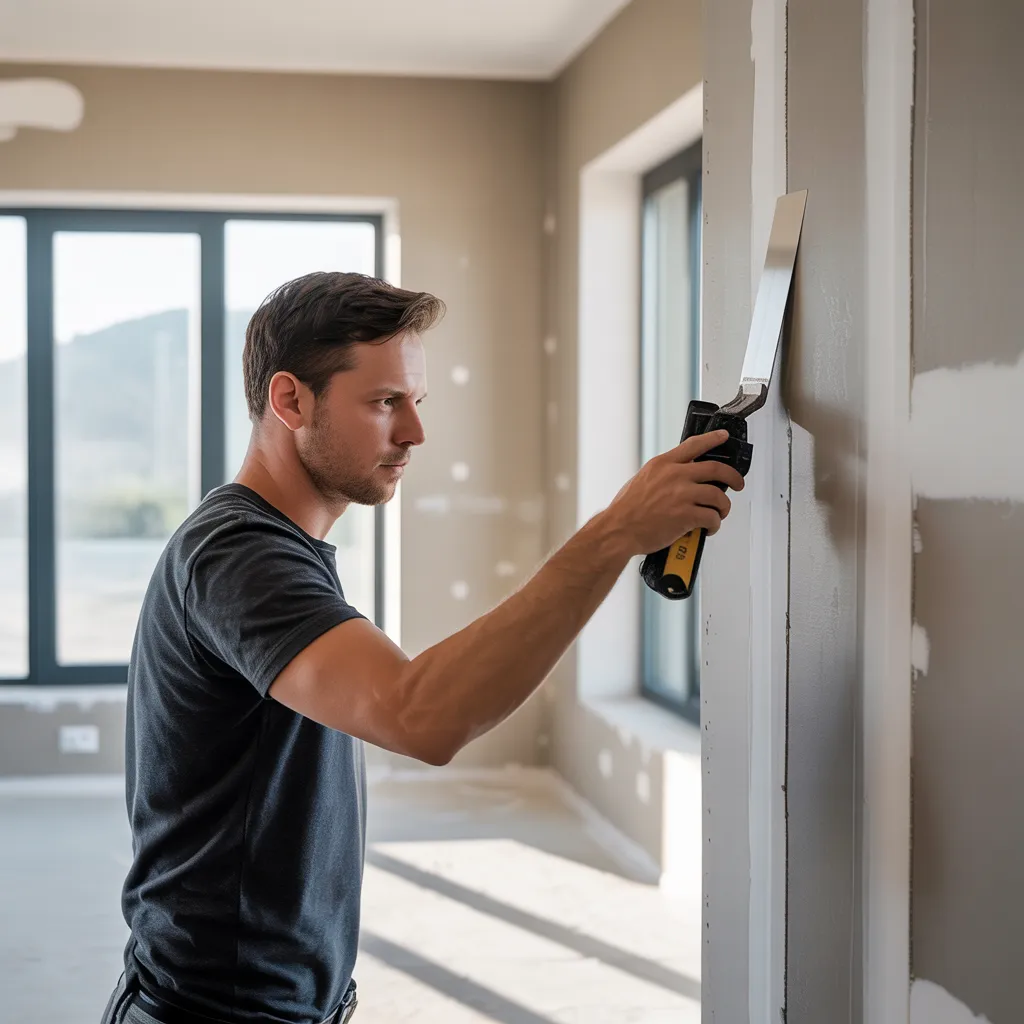
Why Hiring a Professional for Drywall Repair Is Important
Expert drywall repair is essential because it delivers a seamless finish that improves the general appearance of a space. Both homeowners and business owners understand the significance of preserving the condition of interior walls, as blemishes can diminish the aesthetic appeal and worth of a property. Experienced professionals are equipped with the skills to assess damage accurately and employ appropriate techniques for correction, delivering a perfect finish.
Moreover, professional services reduce the risk of recurring issues by identifying and resolving the core issues responsible for the initial damage. Such a preventative method not only improves appearance but also supports the long-term durability of the walls. Furthermore, skilled drywall work follows strict safety protocols, reducing the risks linked to inadequate repair work. In the end, opting for skilled expertise cultivates a pleasant space, ensuring that spaces remain functional and aesthetically pleasing for years to come.
What Are Common Types of Drywall Damage and Their Causes?
Numerous types of drywall damage can occur in both domestic and professional settings, with each type originating from distinct causes. Among the most prevalent types is water damage, typically caused by roof leaks, plumbing failures, or excessive moisture. These conditions frequently produce structural sagging, mold proliferation, and surface discoloration. Another frequent issue is impact damage, which typically arises from furniture, sports equipment, or accidental bumps, creating dents or holes in the surface. Furthermore, cracks may form as a result of structural settling or changes in temperature, undermining the strength and stability of the drywall panel. In addition, nail pops occur when fasteners protrude through the surface due to structural movement or settling. Each of these damages requires specific attention and repair techniques to restore the drywall's appearance and functionality, underscoring the value of seeking qualified inspection and repair solutions.
Skilled Approaches to Diagnosing Drywall Issues
A detailed examination of drywall damage necessitates a careful eye for detail and an knowledge of potential underlying problems. Experts start by examining the surface for apparent signs of deterioration, such as holes, cracks, and moisture stains. They use tools like specialized moisture meters to detect hidden moisture that could indicate leaks or mold growth. Moreover, assessing the structural soundness behind the drywall is crucial; this may include inspecting for bowing or sagging, which can signal framing issues.
Acoustic tests, conducted by tapping the wall to detect hollow sections, assist in pinpointing areas that require attention. Skilled inspectors also take into account where the damage is situated, as certain areas might be more prone to issues due to plumbing or electrical installations. By combining visual inspections with specialized tools and techniques, experts can accurately diagnose the extent of drywall problems, laying the groundwork for implementing targeted and efficient repair solutions.
What to Expect From the Drywall Repair Process
Count on a smooth and effective drywall repair process that emphasizes excellence and customer care. Initially, skilled technicians will perform a detailed evaluation of the drywall damage to establish the most suitable repair approach. This assessment guarantees that all problems, from minor dents to significant holes, are identified.
Following the assessment, the technicians will set up the workspace, securing nearby surfaces to minimize disruption. Standard repairs consist of patching, sanding, and applying primer, followed by a surface treatment that complements the current wall texture. Throughout the process, skilled technicians will use professional-grade equipment and approaches to guarantee a flawless result.
Ongoing communication is essential; clients are kept informed with timely updates and explanations. The project ends with a comprehensive final walkthrough to verify satisfaction before the crew clears the work area. This methodical process results in beautifully restored walls that improve the home's overall aesthetic, reflecting the commitment to excellence in drywall repair.
Advantages of Hiring Professionals for Drywall Repairs
Engaging skilled contractors for drywall repairs delivers significant advantages that can enhance the overall outcome. Their expert craftsmanship provides a professional finish, while their professional know-how facilitates swift and dependable repairs. In addition, working with these specialists can save both time and money in the overall process.
Premium Quality Work Guaranteed
Choosing skilled drywall repair professionals ensures quality workmanship that enhances the aesthetic appeal and structural soundness of a space. Professionals offer vast expertise and hands-on experience, guaranteeing repairs are executed with precision. They employ premium materials and modern methods, which markedly reduce the probability of future issues such as cracking or moisture damage. Additionally, experts can precisely replicate surface textures and finishing details, merging repairs with surrounding surfaces for a seamless look. This meticulous approach not only elevates the overall appearance but also contributes to the lasting resilience of the interior walls. By engaging skilled specialists, homeowners can trust that their drywall repairs will be executed at the highest level, delivering a refined and long-lasting result.
Time and Cost Efficiency
Efficiently managing drywall repairs can save homeowners both time and money, making the choice for professional services a wise one. Professionals have the tools and knowledge needed to accelerate the repair process, ensuring that tasks are completed quickly and effectively. This level of efficiency reduces interruptions to everyday routines, permitting homeowners to get back to their daily lives without unnecessary delays. Additionally, hiring professionals can prevent costly mistakes, since their expertise frequently results in a longer-lasting and refined outcome. By tackling concerns in a timely and precise manner, professionals help prevent additional repairs, ultimately sparing homeowners from unforeseen costs. In this way, investing in expert drywall repair services proves to be both detailed resource a time-saving and cost-effective decision.
Expert Knowledge and Techniques
Skilled drywall repair work not only enhance time and cost efficiency but also bring expert knowledge and techniques to the table. Experts carry a thorough knowledge of materials, tools, and techniques necessary for delivering flawless outcomes. Their expertise enables precise evaluation of damage, guaranteeing that suitable repair approaches are utilized. This proficiency lowers the chance of reoccurring issues, such as structural cracks or water damage. Additionally, professionals are well-versed in local building codes and standards, ensuring compliance in every project. Their background enables faster, superior-quality repairs that improve the overall appearance of any area. Ultimately, hiring experts for drywall repairs guarantees a superior finish, saving homeowners from the frustration of DIY mistakes and ensuring long-lasting durability.
How to Care for Your Repaired Drywall
Maintaining repaired drywall is essential for longevity and aesthetics. Routine cleaning habits can prevent dirt buildup, while monitoring humidity levels prevents moisture-related issues. Furthermore, handling damage quickly makes certain that minor concerns do not turn into significant damage.
Regular Cleaning Practices
Adequate care and maintenance can greatly extend the life of repaired drywall. Regular cleaning practices are essential for keeping it in good shape and appearance. Surfaces can collect dust and grime, so it is recommended to use a soft cloth or microfiber duster to clean the walls every few weeks. For harder-to-remove marks, a mild soap solution can be applied gently with a sponge, making sure not to apply too much moisture to the area. Abrasive cleaners and scrubbing pads should be avoided, as these can damage the surface. Additionally, addressing spills or marks promptly can stop lasting discoloration and copyright the overall appearance. By following these basic cleaning routines, residents can keep their repaired drywall in excellent condition for a long time.
Track Humidity Levels
Routine cleaning habits establish the foundation for more durable drywall, but monitoring humidity levels is equally important in preserving its condition. Elevated humidity levels may result in mold development and material breakdown, while insufficient humidity levels may lead to splitting and distortion. Property owners should strive to sustain indoor humidity between 30% and 50%. This balance can be maintained by deploying dehumidifiers in humid zones and securing sufficient ventilation across the home. Frequently monitoring humidity readings with a hygrometer enables timely corrective measures. Additionally, sealing any gaps or cracks in windows and doors can help regulate moisture. Through proper humidity control, the quality of restored drywall can be preserved, guaranteeing an attractive and durable surface that endures over time.
Swiftly Address Damage
Handling damage in a timely manner is vital for maintaining the quality of repaired drywall. Minor issues, such as tiny cracks or dents, can quickly escalate if ignored, leading to larger repair projects. Residents should conduct regular inspections to detect any indicators of deterioration. Once detected, swift measures should be employed to resolve issues, whether through DIY methods or by contacting professional drywall repair services. Prompt restorations not only preserve the visual attractiveness of walls but also guard against water intrusion and structural deterioration. Additionally, keeping a reserve of basic repair supplies—like wall filler or joint compound—can facilitate swift fixes. Ultimately, preventive upkeep guarantees that patched drywall remains in optimal shape, increasing its longevity and enhancing the home's overall value.
Frequently Asked Questions
How Much Time Does a Standard Drywall Repair Require?
A standard drywall repair takes approximately 2 to 4 hours, according to the degree of the damage. Variables impacting completion time include the scale of the repair, curing time for materials, and the difficulty of the work.
Can I Paint Immediately After Drywall Repair?
It is not recommended to paint immediately after drywall repair. It's crucial to allow the repair to fully dry and cure, which usually demands 24 to 48 hours, providing a seamless, even surface without jeopardizing the repair.
What Repair Materials Do Professionals Rely On?
Skilled technicians typically utilize sandpaper, joint compound, and drywall tape for repairs. They often utilize specialized tools like trowels and knives, along with finishing primer and paint to ensure a clean, uniform finish on the surface.
Do Eco-Friendly Options Exist for Drywall Repair?
Yes, environmentally friendly alternatives for drywall repair exist. Professionals commonly employ recycled materials, low-emission joint compounds, and environmentally responsible insulation products, contributing to cleaner indoor conditions while minimizing ecological footprint while completing the repair work.
What Should I Look for When Choosing a Drywall Repair Service?
Identifying the best drywall repair service entails exploring nearby contractors, going through client opinions, comparing pricing, and reviewing their qualifications. In addition, confirming their certifications and asking for references ensures a consistent and high-quality repair job.